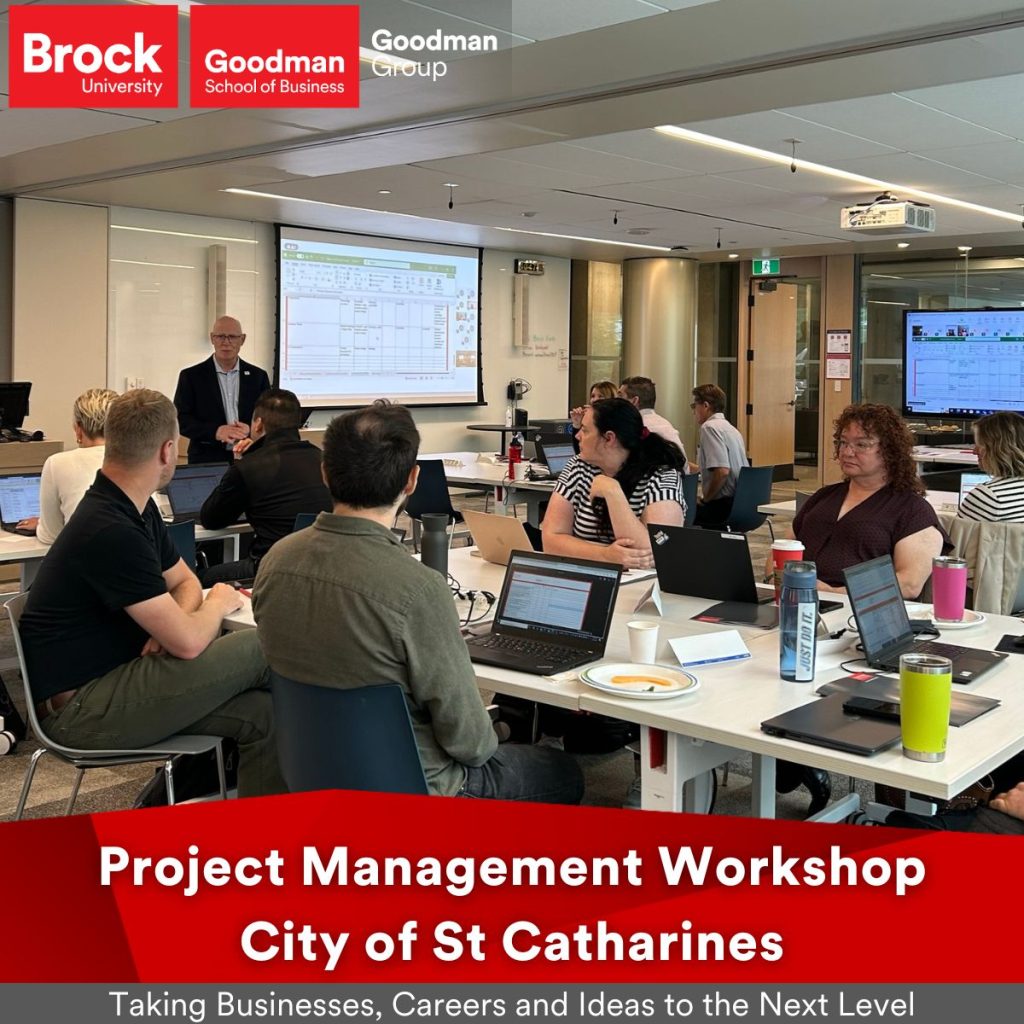
Recently I had the opportunity to participate in a Project Management workshop hosted by Brock University‘s Goodman Group. Below are some thoughts on how the areas of project management align with recreation, and also the idea of social infrastructure.
Effective project management is the backbone of any successful municipal initiative, particularly as budgets continue to be strained, and the desire for service from the public increases. Whether launching a new community center, expanding park services, or running drop in classes, project management ensures that resources are used efficiently and that the needs of residents are met in a timely manner.
Why Project Management Matters in Recreation
Municipal recreation services are about much more than just fun and games—they provide essential social infrastructure that enhances the quality of life for residents. From children’s summer camps to senior fitness programs, these services require careful planning and execution. That’s where project management comes into play. With clear objectives, timelines, and resource allocation, a project manager, or realistically a coordinator/supervisor with a project management outlook, helps ensure that every program runs smoothly, within budget, and meets the community’s expectations.
In a municipal setting, managing recreation projects can be complex, as they often involve multiple stakeholders, from city officials to residents, often multiple residents or residents groups with competing interest and contractors. A project management framework helps to streamline communication, ensuring that everyone is on the same page.
Key Elements of Project Management in Municipal Recreation
- Planning and Needs Assessment
Every project starts with identifying the community’s needs. Project managers gather feedback from residents, evaluate existing infrastructure, and assess what gaps need to be filled—whether it’s adding accessible playgrounds or improving programming. - Budget Management
Recreation programs are typically funded through a mix of municipal budgets, grants, and user fees. Effective project management ensures that costs are kept within budget while maximizing the quality of services provided. Proper budgeting is also essential for maintaining sustainable programs that can run year after year. - Stakeholder Engagement
Projects in municipal recreation often involve collaboration between city departments, community groups, and the residents themselves. Successful project management prioritizes clear, open communication and collaboration between these diverse groups, ensuring that everyone’s voice is heard. It is important to consider whose voice is being heard, and which voices you are not hearing. Ongoing community outreach is important to ensure ample engagement when a new project is coming together. - Timeline and Execution
Delivering projects on time is essential to maintaining trust and ensuring the smooth operation of services. For instance, the timely opening of a new pool or sports facility can make or break a community’s summer recreation plans. A good project manager knows how to keep the project on track and adapt when unforeseen challenges arise. For smaller projects, we should be okay with delaying new programs and services until it aligns with sessional changes. We are often caught changing promotional material and handing out old version of flyers because we added another yoga class part way through a session. - Evaluation and Feedback
Once a project is complete, evaluation helps measure its success. Did it meet the community’s needs? Was it completed on time and within budget? The insights gained from evaluation feed back into the planning process for future projects, helping municipalities continually improve. Additionally, we need to consider the community feedback. Did the project create additional spaces in classes? Can you run additional classes? Are you reaching new residents?
Building Strong Social Infrastructure
At its core, project management in municipal recreation isn’t just about completing tasks. It’s about building strong social infrastructure that fosters community well-being. Recreation facilities, parks, and programs bring people together, creating spaces for social interaction, fitness, and personal growth. A well-managed project doesn’t just deliver a service—it creates lasting community benefits.
From organizing youth sports leagues to developing new community hubs, municipal recreation is where good project management meets social impact. Effective project management makes it possible to build vibrant, connected, and resilient communities through thoughtful recreation programming.
In short, project management in municipal recreation is more than just a logistical necessity—it’s a vital tool for fostering social inclusion and ensuring that public spaces and programs meet the needs of all residents. By building and maintaining strong social infrastructure, we are truly investing in the future of our communities.

This blend of project management and social infrastructure creates a positive ripple effect, enhancing the overall quality of life for residents and ensuring sustainable, equitable growth.